
Common Grant Application Mistakes (And How to Avoid Them)
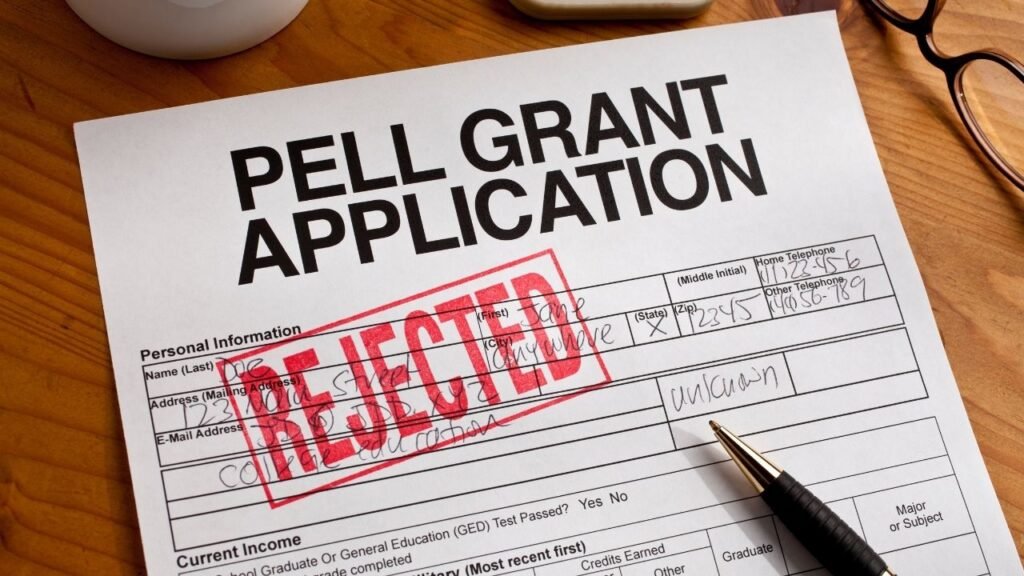
You had a solid idea. The need was real. The impact was clear. Yet the grant still got rejected. Does it sound familiar?
This is one of the most frustrating experiences for nonprofits, small businesses, educators, and healthcare organizations that are newly navigating the grant writing world.
Often, grant rejection doesn’t mean your mission isn’t impactful or beneficial. More often, it comes down to overlooked details in the grant application process.
At USA Grant Master, our grant experts have seen how even strong proposals can be held back by common mistakes.
In this article, we explain those mistakes and share practical tips to help you submit stronger, more funder-ready proposals.
Poorly Aligning With Funder Priorities
One of the most common grant writing mistakes is overlooking what the funder truly cares about. If your proposal doesn’t clearly match their goals, rejection is likely.
For example, if a community arts group applies for an education grant but doesn’t explain how art improves student learning, reviewers may question the project’s relevance.
Grant experts agree that projects not aligned with a funder’s stated goals are unlikely to receive support.
To avoid this, carefully review the funder’s guidelines and use their language where appropriate. Explicitly show how your project supports their priorities.
Link every objective to the funder’s mission so the proposal feels customized and intentional.
Missing Documents and Attachments
It’s easy to focus on the narrative, but missing attachments can quickly disqualify your application.
For example, forgetting to upload a required IRS tax-exempt letter can result in an incomplete submission.
Experts note that missing documents suggest inattention to detail.
To avoid this mistake:
- Create a checklist of all required attachments
- Include budgets, resumes, letters of support, and financial documents
- Review everything carefully before submission
Having a colleague review your application can also help catch errors.
Inaccurate Budget Detailing
Grant reviewers quickly notice confusing or inaccurate budgets.
For example, budgeting an unrealistic amount for basic supplies raises immediate concerns.
If budget items don’t align with your project plan, reviewers see this as a major red flag.
To prevent this:
- Use realistic, well-researched numbers
- Obtain actual quotes for major expenses
- Justify each cost by linking it to a project activity
Double-check all calculations to ensure accuracy and clarity.
Weak Problem Statements
Unclear problem statements make it difficult for funders to understand your project’s purpose.
Vague descriptions like “helping people” or “improving education” leave reviewers guessing.
To strengthen your problem statement:
- Clearly define who is affected and why the problem matters
- Use data and real-world examples
- Keep the narrative focused and specific
Set measurable objectives using SMART goals to demonstrate feasibility.
Lack of Research
Insufficient research is another common reason grant applications fail.
If you don’t understand a funder’s mission, priorities, or past awards, your proposal may feel generic.
For example, applying to a foundation without knowing its current focus can cause misalignment.
To avoid this:
- Read the grant announcement carefully
- Review the funder’s website and recent grantees
- Reach out with clarifying questions if allowed
Strong research helps your proposal stand out and feel relevant.
Late Submission of Proposals
Grant deadlines are strict, and late submissions are almost always rejected.
Even excellent proposals won’t be considered if they miss the deadline.
To stay on track:
- Work backward from the deadline
- Set an internal deadline several days early
- Allow time for technical issues and approvals
Submitting early reduces stress and increases success.
Conclusion
Grant writing doesn’t have to feel like guesswork.
By understanding common mistakes and how to avoid them, the process becomes clearer and more manageable.
Each application builds experience and confidence. With careful planning and strong presentation, your project has a better chance of receiving the funding it deserves.
Federal vs State Grants: Which One Should You Apply For Funding?
If you’ve searched for funding opportunities, you’ve likely asked yourself whether to apply for a federal grant or a state grant.
Both options offer financial support and credibility, but the differences can feel overwhelming, especially for first-time applicants.
Choosing the right grant isn’t just about availability. It’s about alignment, capacity, and strategy.
This guide breaks down the differences to help you decide which funding path makes the most sense.
Understanding Federal Grants
Federal grants are funded by U.S. government agencies and are designed to address nationwide issues such as education, public health, infrastructure, and research.
They often offer larger funding amounts but come with higher competition and stricter compliance requirements.
Federal grant applications typically require:
- Detailed proposals
- Comprehensive budgets
- Extensive documentation
- Strict reporting and compliance
They are best suited for large-scale, multi-state, or national projects.
Understanding State Grants
State grants are funded by individual state governments and focus on regional or local priorities.
They are generally more accessible and ideal for smaller organizations or first-time applicants.
State grants are suitable if:
- Your project serves a local or regional population
- You are a first-time applicant
- You have limited administrative capacity
- You need funding faster with fewer compliance requirements
Key Differences That Matter for Beginners
The biggest differences between federal and state grants involve scope, complexity, and competition.
Federal grants focus on national impact and involve multiple review layers. State grants focus on localized needs with simpler evaluation processes.
Applying for the wrong type of grant often leads to rejection due to misalignment, not lack of value.
Which One Should You Apply For?
There’s no universal answer, only a strategic one.
Federal grants work well for large, long-term projects with national relevance. State grants are often better for community-level programs or pilot initiatives.
The key is matching your project’s scope, capacity, and timeline with the right funding source.
Common Mistake: Applying Without a Strategy
Applying to multiple grants without tailoring your approach often leads to rejection.
Federal and state grants are structured differently, and proposals must be adjusted accordingly.
Strategic positioning matters just as much as eligibility.
Federal vs State Grants: Quick Comparison
- Federal grants offer larger funding amounts but are highly competitive
- State grants provide smaller but more accessible funding
- Federal applications are complex with strict compliance
- State applications are simpler with moderate reporting requirements
- Federal grants focus on national impact
- State grants focus on local or regional impact
Final Thoughts
Choosing between federal and state grants isn’t about which is better, but which is right for your project.
When your funding source aligns with your goals, the application process becomes clearer and more effective.
With the right strategy and preparation, even first-time applicants can successfully navigate grant opportunities.
